
The Ultimate Guide to EMI Shielding, ESD Protection, and Material Innovation
1. Material Composition and Structure
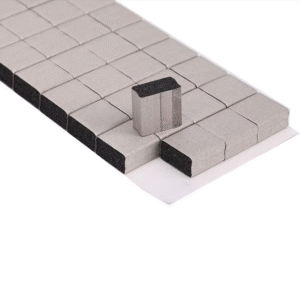
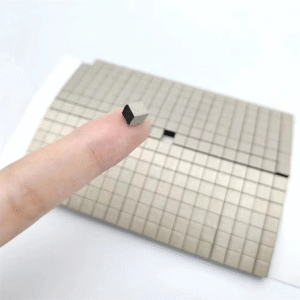
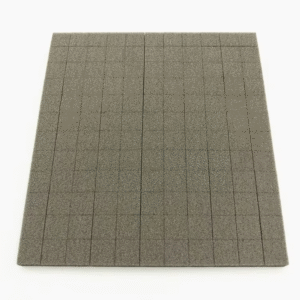
Conductive foam is a composite material typically consisting of:
- Base Material: Polyurethane or polyethylene foam with open-cell or closed-cell structure
- Conductive Layer: Electroless plating of copper/nickel (0.05-0.2μm thickness) or carbon loading
- Surface Resistance: Ranges from 0.01-10 Ω/sq depending on plating density and material thickness
Key Physical Properties:
- Density: 0.03-0.25 g/cm³ (customizable based on application)
- Compression Deflection: 5-50 kPa (at 25% compression)
- Operating Temperature: -40°C to 85°C (standard), up to 125°C (high-temp versions)
- Compression Set: <10% after 24 hours at 70°C
2. Types of Conductive Foam
1. Nickel-Coated Polyurethane Foam
- Most common type, provides 60-80 dB shielding effectiveness
- Excellent compression recovery (>90% after 100,000 cycles)
- Ideal for gasketing and EMI shielding applications
2. Carbon-Loaded Conductive Foam
- Lower cost alternative, surface resistance 1-10 Ω/sq
- No metal particles, suitable for medical applications
- Good for static discharge protection
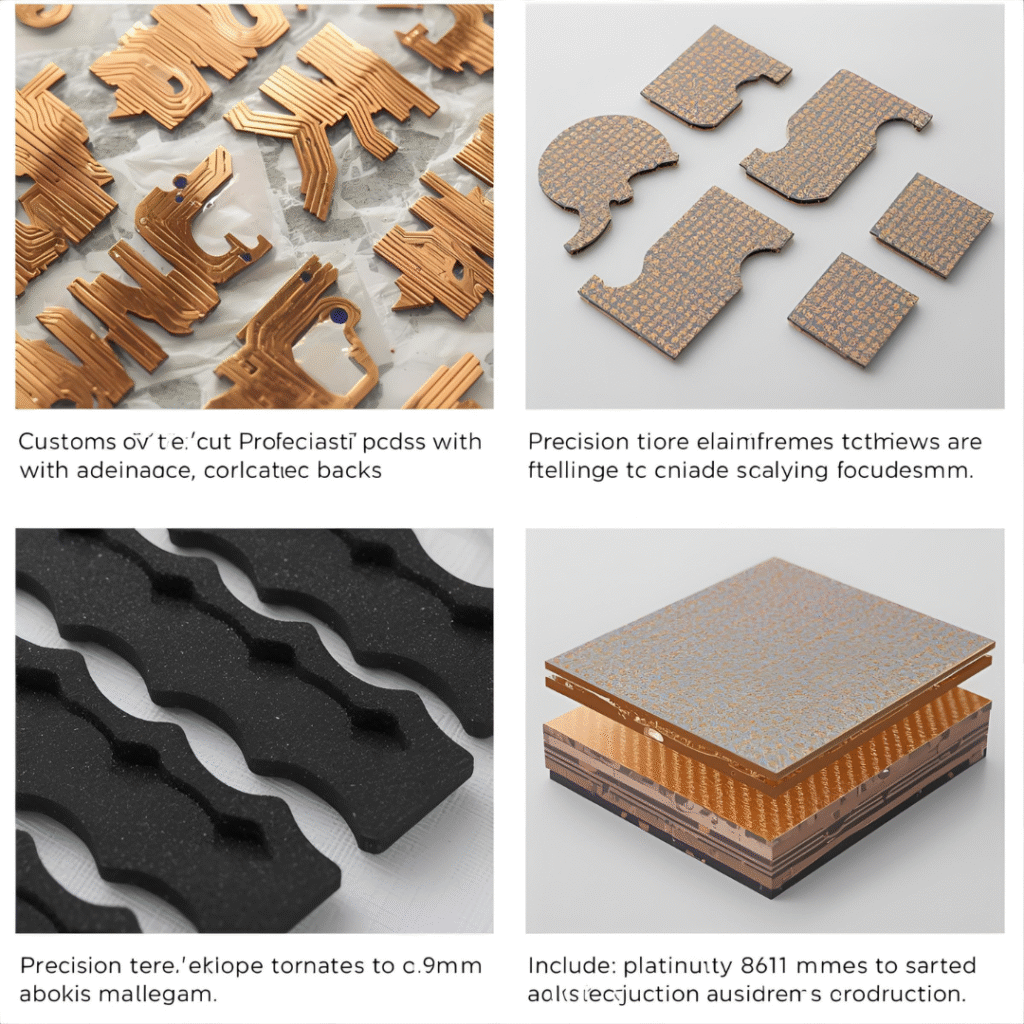
3. Custom Hybrid Variants
Fire-resistant versions with UL94 V-0 rating
Multi-layer constructions with adhesive backing
Combination with non-woven materials for directional conductivity
Click to view products:Conductive Foam
3. Performance Characteristics
| Parameter | Standard Range | Importance |
|---|---|---|
| Shielding Effectiveness | 60-100 dB @1GHz | EMI protection level |
| Surface Resistance | 0.01-10 Ω/sq | Conductivity performance |
| Compression Force | 0.5-5.0 psi | Sealing capability |
| Thickness Range | 1-10 mm | Application flexibility |
| Peel Strength | 10-40 N/25mm | Adhesion performance |
4. Industry Applications
Electronics Manufacturing
- 5G device shielding: Requires >80 dB effectiveness at 6GHz
- Server rack EMI protection: Needs compression set <15%
- PCB grounding: Surface resistance <0.1 Ω/sq
Automotive Electronics
- Battery management systems: Must withstand vibration and temperature cycling
- ADAS sensor shielding: Requires consistent performance in harsh environments
Medical Equipment
- MRI room shielding: Non-magnetic properties essential
- Wearable devices: Needs biocompatible materials (ISO 10993)
5. Selection Guidelines
For High-Frequency Applications: Choose fine-pore foam with dense metal plating
For Vibration Environments: Select high-recovery polyurethane base
For Cost-Sensitive Projects: Consider carbon-loaded alternatives
For Medical Use: Specify nickel-free and halogen-free materials
6. Advanced Innovations
- Nanotechnology: Graphene-enhanced coatings for lower surface resistance
- Environmental Adaptability: Hydrophobic treatments for outdoor applications
- Smart Materials: Pressure-sensitive conductivity variations
7. Quality Standards
MIL-PRF-83528: Military-grade performance standards
UL 94: Flame retardancy certification
ISO 9001: Quality management system
RoHS/REACH: Environmental compliance